Read the week you dress for
Write down the settings in a normal week: commuting, a desk, errands and time at home. Note how often each needs a different outfit. A useful capsule reflects that balance, so begin with clothes that already support those activities before making a list of gaps.
Choose a quiet foundation
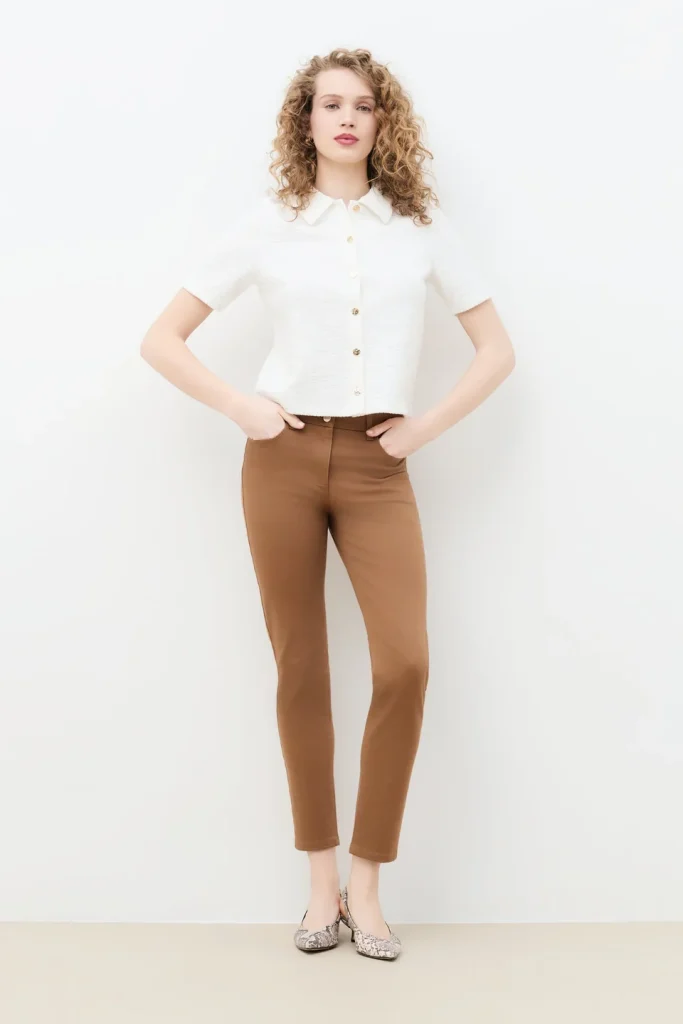
Lay out a few bottoms and tops that you enjoy wearing together. Compare their colours in daylight and include texture as well as shade. A limited palette can simplify combinations, but a favourite printed shirt belongs if it works with the pieces you actually use.
Test complete combinations
Try each outfit with underwear and shoes you would normally wear. Sit down, reach forward and walk across the room. Check the waistband, sleeve width and hem together; pieces that look convincing on separate hangers may compete for room when worn as a set.
Give every layer a role
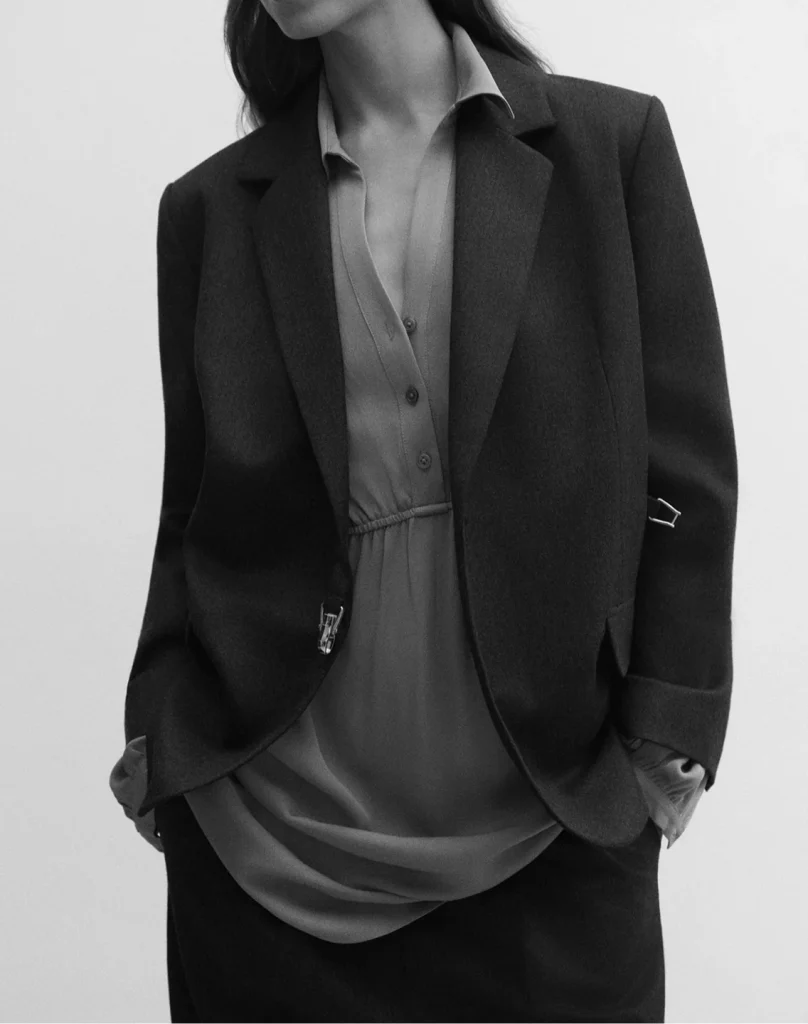
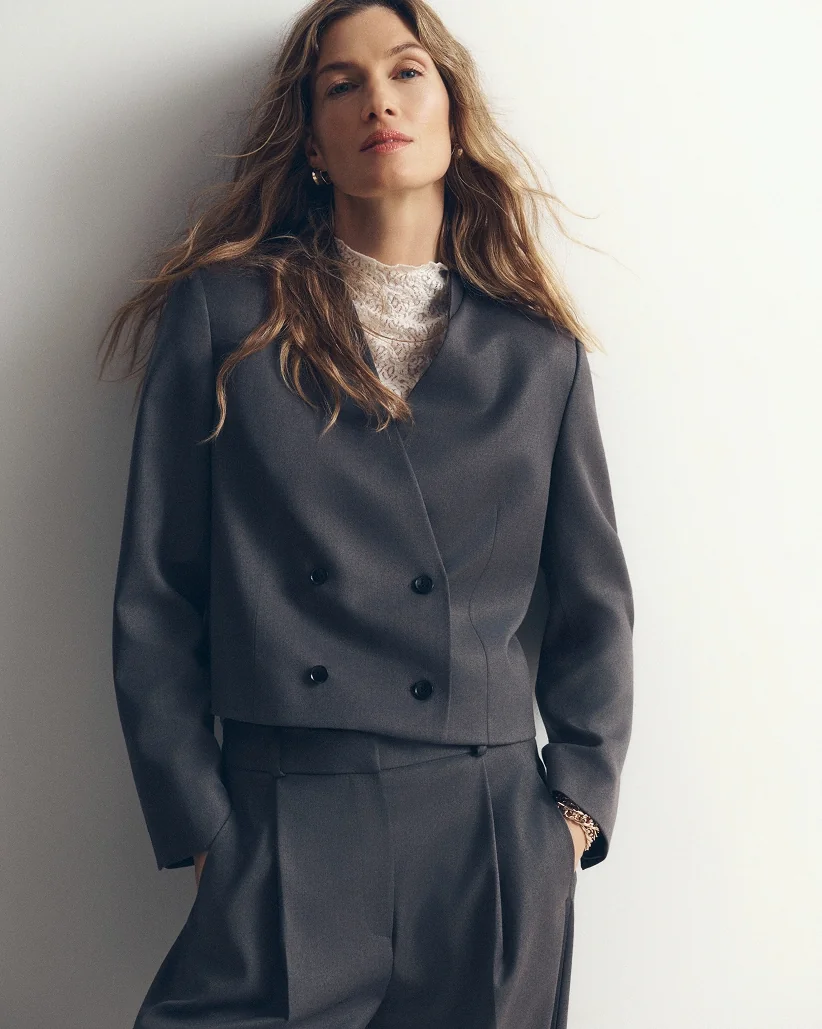
Build one outfit from the inside out: a comfortable base, a middle layer when needed and an outer layer that closes without pulling. Leave enough space at the armholes for movement. Keep a lighter option available when the day changes between indoor and outdoor settings.
Find the useful gap
Photograph the combinations that feel right and note what prevents another outfit from working. The missing piece may be an alteration, a different shoe or a repaired button. Add a garment only when you can describe its role alongside clothes already in your wardrobe.
Keep the rotation workable
Plan around the care labels and the time garments need to dry or be cleaned. Air worn pieces where appropriate and put only clean, dry clothing away. Review the capsule after several weeks; repeated discomfort is a reason to change a combination, not to force yourself to wear it.
← Back to the guides