Find a comfortable rise
Try the trousers at the height where the waistband is designed to sit. Sit for a few minutes and bend gently, noticing pressure at the stomach and back. A waistband should support the fit without digging in; changing the rise or cut can help when another size does not.
Allow room through the seat
Walk, take a step up and sit again. Check whether the pockets gape, the fabric pulls across the seat or the crotch feels restrictive. Pleats and darts may create intentional volume, but repeated tension during movement suggests the shape needs reassessing before you judge the leg.
Look at the full leg
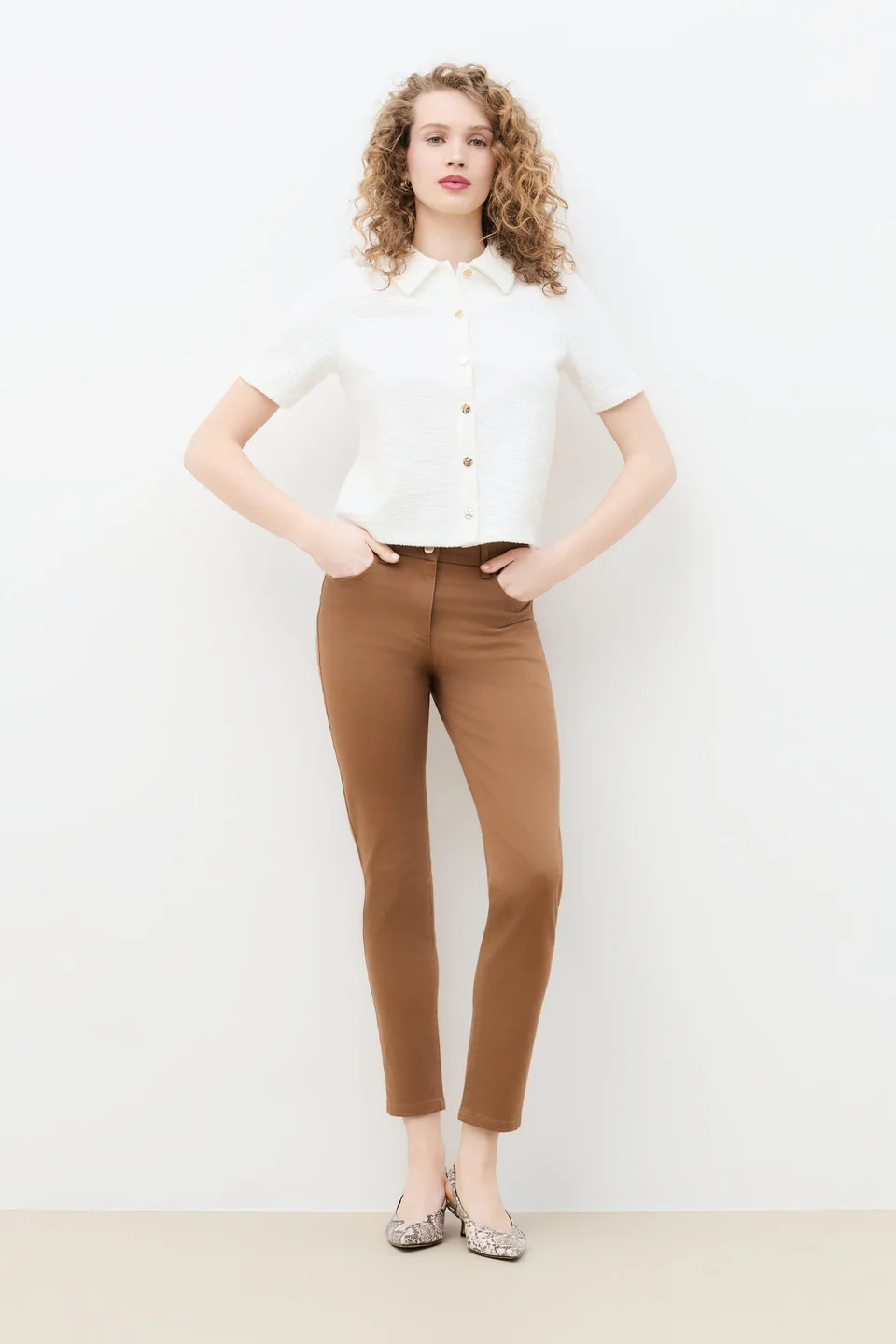
View both legs from the front and side with your feet relaxed. A straight cut can be narrow or generous, and the line changes with the fabric. Notice twisting seams or fabric catching at the calf; choose the silhouette for comfort and the outline you want rather than a label alone.
Match the hem to real shoes
Wear the shoes you expect to use most. Walk and check whether the hem drags, catches on the heel or rises more than you prefer when sitting. Pin a proposed alteration with help and compare both legs; a single length may not give the same effect with every sole height.
Manage waistband layers
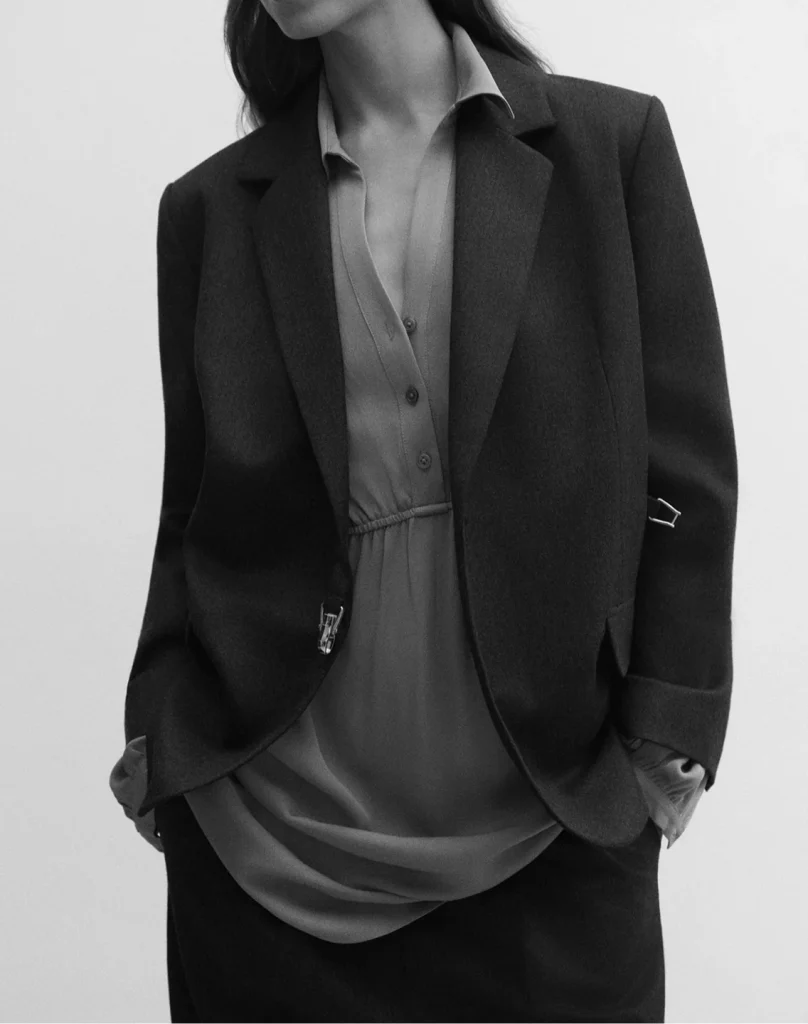
Tuck in the top you plan to wear and sit once more. A thick knit adds bulk inside a waistband and can change the fit you just checked. Try a lighter tuck or a shorter top if fabric gathers, then add your jacket to see how all three lengths relate to each other.
Keep the crease intentional
Follow the label for cleaning and pressing, including any limit on heat or steam. Decide whether the design calls for a crease before ironing one into the leg. Hang or fold dry trousers so the seams sit evenly, and repair a loose hem before it begins catching under your shoe.
← Back to the guides